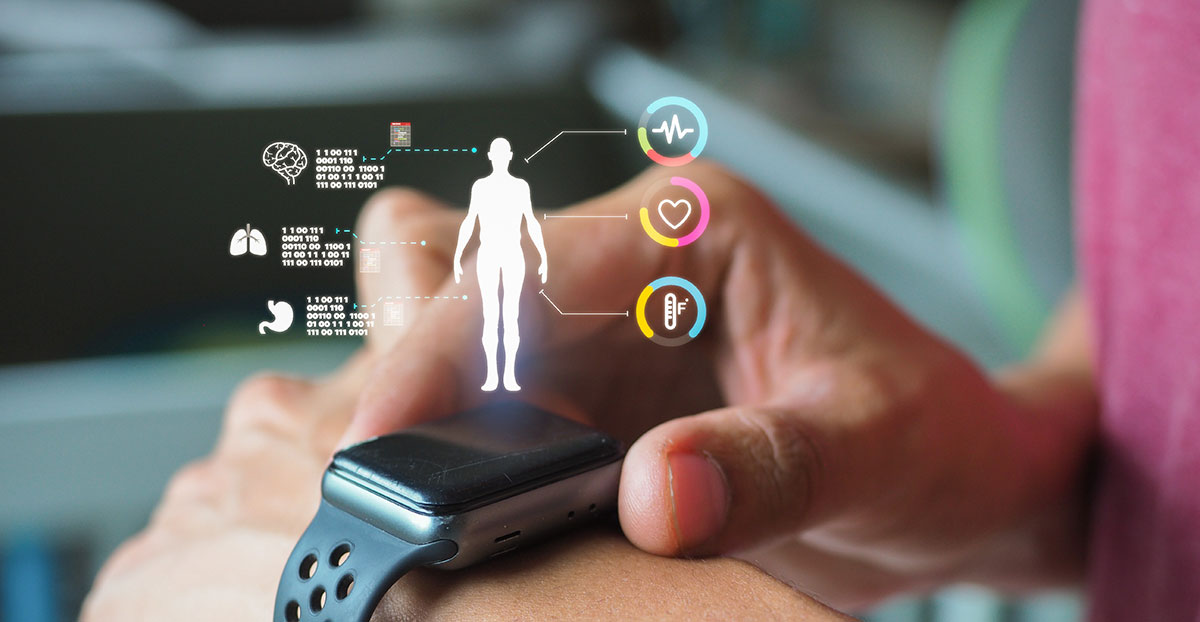
Over the last decade, we have seen an explosion in technology designed to help people understand their bodies better. Wearables like smartwatches and fitness trackers have moved from novelty gadgets to essential tools for anyone serious about health and performance. These devices provide insights on heart rate, sleep patterns, activity levels, and more. But as impressive as wearables are, we are only at the beginning of what technology can do. The next evolution in human optimization lies in implantables—devices placed inside the body that provide real-time data, predictive insights, and even intervention capabilities.
This shift represents more than just a technological advancement. It is a fundamental change in how we think about health, fitness, and human potential.
Wearables Laid the Groundwork
Wearables have changed the conversation about personal health. They made monitoring easy, accessible, and actionable. People could see patterns in their activity, adjust their routines, and make incremental improvements. They created a culture where data drives decisions.
I have seen firsthand how wearables have motivated people to take control of their health. Tracking steps, monitoring sleep, and measuring heart rate variability gave users feedback they could act on immediately. It also opened the door for entrepreneurs and investors to create products and services that meet the demand for data-driven wellness.
Wearables proved that people are willing to embrace technology if it provides tangible value. They prepared the market for the more advanced tools to come.
Implantables: A New Level of Insight
Implantables take human optimization to the next level. These devices can continuously measure biomarkers that wearables cannot, such as blood glucose, electrolyte levels, or hormone fluctuations. They offer a level of precision that allows users to understand their health at a cellular level.
The potential applications are incredible. Athletes can fine-tune performance by optimizing energy, hydration, and recovery in real time. Individuals managing chronic conditions can receive early warnings about potential health issues before symptoms appear. Even everyday users can gain actionable insights to improve sleep, nutrition, and stress management.
From an investor and entrepreneurial perspective, implantables are creating an entirely new category in health technology. The market is growing rapidly, driven by the desire for personalization, proactive care, and data-informed decision-making.
Personalization at Scale
What excites me most about this evolution is the potential for true personalization. Wearables provided valuable information, but they were still limited by general algorithms and estimates. Implantables can provide continuous, individualized data that allows people to tailor lifestyle choices to their unique physiology.
This is where AI and analytics come into play. By combining continuous monitoring with machine learning, we can predict trends, detect anomalies, and provide actionable recommendations that are truly personal. People no longer have to rely on trial and error. They can adjust their behaviors in real time, making small changes that compound into meaningful results.
Ethical and Practical Considerations
As promising as implantables are, they raise important questions. Privacy and data security are critical. Users need to trust that their most intimate health data is protected and used ethically. Companies must prioritize transparency and provide clear information on how data is stored, shared, and applied.
There is also the human factor. Implantables require a level of commitment and comfort with technology that not everyone is ready for. Education and accessibility will be essential to ensure these devices provide value without creating unnecessary barriers.
Despite these challenges, I believe the benefits will outweigh the concerns for most users. When designed thoughtfully, implantables have the power to transform health from reactive to proactive, and from generalized to highly personalized.
Beyond Health: Optimization and Performance
The impact of implantables goes beyond health management. For anyone interested in human performance, these devices can unlock new levels of potential. Athletes, executives, and entrepreneurs all operate in high-stakes environments where small advantages matter. Real-time feedback on energy, focus, and recovery can inform decisions about training, work schedules, and lifestyle choices.
In my experience, optimization is about making better decisions consistently. Implantables provide insights that are actionable in the moment, allowing people to refine their performance with precision. The combination of technology, data, and human judgment creates a powerful feedback loop that accelerates growth and achievement.
The Investment Opportunity
From an investment perspective, the rise of implantables represents a major opportunity. We are entering a market where consumer demand, scientific capability, and technological innovation are aligned. Startups developing implantables, predictive analytics, and AI-driven health platforms are well positioned for growth.
The key for entrepreneurs is to balance innovation with usability, safety, and trust. Implantables are intimate products. Users will not adopt technology they do not understand or cannot rely on. Companies that prioritize transparency, security, and education will differentiate themselves and capture market share in this emerging sector.
Looking Ahead
The journey from wearables to implantables marks a shift in how we interact with our own biology. We are moving from intermittent monitoring to continuous insight, from reactive healthcare to proactive optimization, and from generalized recommendations to personalized guidance.
As an investor and entrepreneur, I am fascinated by the possibilities. We are witnessing the early stages of a transformation in human performance and wellness. The companies that succeed will be those that understand the balance between innovation, trust, and practical application. They will not just provide data—they will provide insight that empowers people to live healthier, stronger, and more productive lives.
Conclusion
Wearables introduced us to the power of data in health and fitness. Implantables are taking that concept to a new level, providing continuous, personalized, and actionable insights that redefine what it means to optimize human performance. This evolution represents both a technological leap and a cultural shift in how we approach health.
For entrepreneurs, investors, and consumers alike, the message is clear. The future of human optimization lies at the intersection of biology, technology, and data-driven decision-making. The companies and individuals who embrace this new frontier will shape the next generation of wellness and performance.